water_dropCentex Outdoor Solutions(737) 225-9122
Austin Downspout Drainage

Downspout Drainage in Austin, TX

Roof runoff can create a drainage problem even when the rest of the yard looks manageable. Austin homes with concentrated downspout discharge may need simple extensions, buried drain lines, or a larger yard drainage plan that keeps roof water from feeding low areas.

Quick answer

Austin downspout drainage should start by treating roof runoff as its own water source before tying it into the rest of the yard. If short outlets dump water beside beds, side yards, or foundation-side soil, the fix may be a buried downspout line, surface drain, grading adjustment, or coordinated yard drainage plan. The best route depends on slope, soil, utilities, access, and where water can safely discharge after storms.
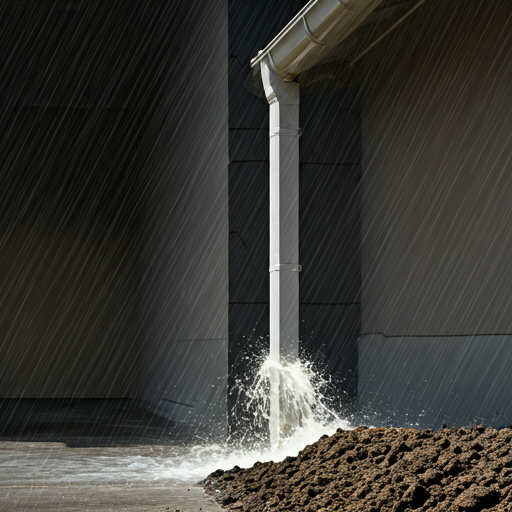
Austin roof runoff and downspout drainage during heavy rain

Problem signs

What This Page Helps Solve

If these symptoms look familiar, a drainage review can help identify where water starts, how it moves, and which fix fits the yard.

Foundation Pooling
Downspouts that empty near the home can keep soil saturated beside the foundation area.
Washed Landscape Beds
Concentrated roof runoff can move mulch, expose soil, and keep beds too wet.
Side Yard Runoff
Roof water can overload narrow Austin side yards with limited slope and sunlight.

Approach

Drainage Options to Consider

The right answer may be a French drain, grading, a catch basin, downspout routing, a swale, or a combination.

Underground Solid-Pipe Routing
Buried downspouts use solid pipe to carry concentrated roof runoff instead of releasing it through perforated pipe into wet soil. Check the route length, available fall, gate access, roots, utilities, and any walkway crossing before choosing underground routing.
Daylight or Pop-Up Outlet Review
A daylight outlet exposes the pipe end at a suitable lower discharge point; a pop-up outlet releases water at the ground surface when flow lifts its cap. Neither creates slope or solves an unsuitable discharge location. Check whether the outlet can clear water without ponding, erosion, or runoff onto neighboring property.
Accessible Cleanouts
Plan access to inspect and clear debris from the buried line, with reachable cleanouts and an outlet that is not hidden under mulch or future landscaping. Ask how leaf debris will be managed and which parts must remain accessible after lawn restoration; burying the pipe should not bury every maintenance point.
Buried Downspout Lines
Route roof water underground when the site has a safe discharge option.
Drainage Coordination
Coordinate roof-runoff routing with surface drains or grading, keeping solid-pipe conveyance distinct from French drain collection. A shared outlet needs a site review of slope, capacity, and access before lines are combined.
Discharge Planning
Move water away without creating a new issue for walkways, neighbors, or lower yard areas.

Drainage review

What to Expect During the Drainage Review

A useful estimate starts by tracing the water pattern, not by guessing at a generic drain layout. These are the site details we look for before narrowing the options.

Austin Runoff Sources
Review rooflines, patios, slopes, and side yards that can feed the same wet area during heavy Austin storms.
Clay Soil and Grade
Check whether the issue is surface flow, saturated soil, compacted areas, or grade changes around the home.
Safe Austin-Area Discharge
Look for a practical route that moves water away without pushing runoff into a neighbor, walkway, or lower problem spot.

Estimate context

What Can Affect Drainage Scope

Drainage pricing depends on the yard, route, materials, access, and discharge path. Photos after rain and clear notes about where water sits help make the first review more useful.

Drain Type and Length
French drains, catch basins, buried downspout lines, grading, and swales each have different material and labor needs.
Access and Obstacles
Fence gates, utilities, roots, hardscape, tight side yards, and cleanup needs can change the work plan.
Discharge Conditions
The quote depends on whether water has a practical daylight point, needs a longer route, or must coordinate with existing drainage paths.
Request an Austin Downspout Drainage Quote
Share which downspouts are causing trouble, where the water goes now, and photos from after rain so the drainage path can be reviewed.

Use at least 10 characters to describe where water collects and when it happens. Photos during or after rain are useful later, but not required for this first request.

FAQ

Questions Homeowners Ask

Straightforward answers about drainage options, site conditions, and what to expect before requesting a quote.

Request an Austin Downspout Drainage Quote

Share which downspouts are causing trouble, where the water goes now, and photos from after rain so the drainage path can be reviewed.