French Drain Installation for Soggy Central Texas Yards
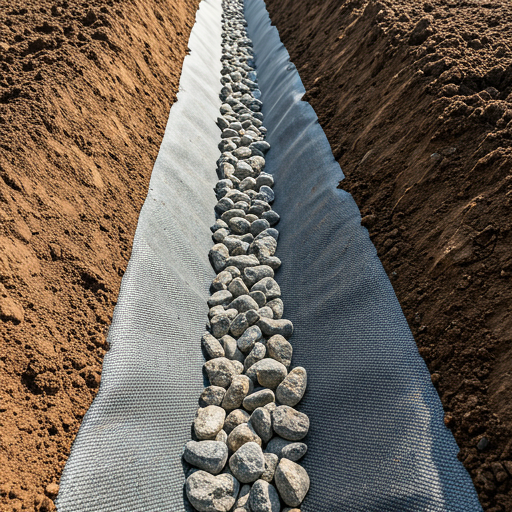
A French drain can be useful when water is moving through saturated soil or collecting below the surface. The layout should be matched to the yard, slope, soil, and discharge point.
Quick answer
A French drain is usually the better fit when a yard stays wet because water is moving through saturated soil or sitting below the surface. A surface drain or catch basin is usually better when water pools on top of the lawn after rain. In Bell County and Austin-area yards, the right choice depends on the water source, slope, soil, and safe discharge route.
Problem signs
What This Page Helps Solve
If these symptoms look familiar, a drainage review can help identify where water starts, how it moves, and which fix fits the yard.
Approach
Drainage Options to Consider
The right answer may be a French drain, grading, a catch basin, downspout routing, a swale, or a combination.
Drainage review
What to Expect During the Drainage Review
A useful estimate starts by tracing the water pattern, not by guessing at a generic drain layout. These are the site details we look for before narrowing the options.
Estimate context
What Can Affect Drainage Scope
Drainage pricing depends on the yard, route, materials, access, and discharge path. Photos after rain and clear notes about where water sits help make the first review more useful.
Related pages
Keep Exploring Drainage Services
Explore related drainage services and nearby service areas for standing water, soggy yards, runoff, and French drain questions.
FAQ
Questions Homeowners Ask
Straightforward answers about drainage options, site conditions, and what to expect before requesting a quote.
Request a Drainage Quote
Tell us what happens after a hard rain and where the water is collecting. We will use that context to start the site review.