water_dropCentex Outdoor Solutions(737) 225-9122
Soggy Side Yard Drainage

Soggy Side Yard Drainage After Heavy Rain

Side yards often stay muddy after heavy rain because they are narrow, shaded, and fed by roof runoff. A useful review checks which downspouts empty into the side yard, how long soil stays wet, gate access and visible utilities, and where water can discharge safely.

Quick answer

Soggy side yards after heavy rain usually need the water source checked first, especially downspouts, roof valleys, shaded soil, tight grade, and safe discharge options. A French drain can help when the soil stays saturated below the surface, but surface drains, downspout routing, or small grading corrections may fit better when roof water is moving across the top. In Central Texas, a useful side-yard quote should also consider gate access, visible utilities, and where collected water can exit safely.
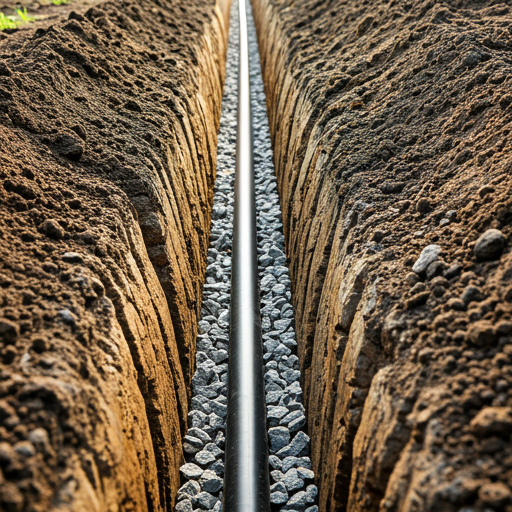
Drainage trench for a soggy side yard after rain

Problem signs

What This Page Helps Solve

If these symptoms look familiar, a drainage review can help identify where water starts, how it moves, and which fix fits the yard.

Muddy Path After Rain
A side-yard walkway or grass strip that stays soft after storms can point to trapped runoff or saturated soil.
Short Downspout Discharge
Roof water can dump into a narrow side yard and keep feeding the same wet soil after each heavy rain.
Fence and Utility Constraints
Tight gates, fence lines, utility boxes, roots, and shallow slope can limit where a drain can be routed.

Approach

Drainage Options to Consider

The right answer may be a French drain, grading, a catch basin, downspout routing, a swale, or a combination.

Trace the After-Rain Flow
Review where water starts, where it sits, and whether runoff is moving across the surface or staying in the soil.
Choose Surface or Subsurface Collection
Compare a French drain, surface drain, catch basin, downspout routing, or small grading correction based on the water source.
Plan Around Access and Utilities
Lay out a practical route that accounts for gate width, buried utilities, fences, cleanout access, and the discharge point.

Drainage review

What to Expect During the Drainage Review

A useful estimate starts by tracing the water pattern, not by guessing at a generic drain layout. These are the site details we look for before narrowing the options.

Find the Water Source
Start with rooflines, downspouts, patios, neighboring grade, and low spots before choosing a drain type.
Check Soil and Slope
Review whether water is moving across the surface, staying in the soil, or collecting because the grade is too flat.
Confirm a Safe Outlet
Plan where water can discharge without creating a new problem for walkways, fences, lower yard areas, or neighboring property.

Estimate context

What Can Affect Drainage Scope

Drainage pricing depends on the yard, route, materials, access, and discharge path. Photos after rain and clear notes about where water sits help make the first review more useful.

Drain Type and Length
French drains, catch basins, buried downspout lines, grading, and swales each have different material and labor needs.
Access and Obstacles
Fence gates, utilities, roots, hardscape, tight side yards, and cleanup needs can change the work plan.
Discharge Conditions
The quote depends on whether water has a practical daylight point, needs a longer route, or must coordinate with existing drainage paths.

Related pages

Keep Exploring Drainage Services

Explore related drainage services and nearby service areas for standing water, soggy yards, runoff, and French drain questions.

Request a Side Yard Drainage Quote
Send photos during or after rain, which downspouts empty into the side yard, gate access, visible utilities, and where water collects so the drainage route can be reviewed.

Photos during or after rain are useful later, but not required for this first request.

FAQ

Questions Homeowners Ask

Straightforward answers about drainage options, site conditions, and what to expect before requesting a quote.

Request a Side Yard Drainage Quote

Send photos during or after rain, which downspouts empty into the side yard, gate access, visible utilities, and where water collects so the drainage route can be reviewed.